

Summer is usually associated with lighter days, fresh fruits, and a slower pace of life. But if you’re managing diabetes, this season can come with a few unexpected hurdles, especially when it comes to keeping blood sugar levels stable.
Many people notice their readings fluctuate more during hot months. It’s not random—there are some very real reasons behind it.
Why Does Blood Sugar Increase in Summer?
- Dehydration Plays a Bigger Role Than You Think
Hot weather means more sweating, and that leads to fluid loss. When your body doesn’t have enough water, your blood becomes more concentrated. The result? Glucose levels appear higher than usual.
Even slight dehydration can make a noticeable difference. - Heat Affects Insulin Absorption
High temperatures can change how your body absorbs insulin. Sometimes insulin gets absorbed faster than expected, and other times it becomes less effective, leading to unstable sugar levels. - Reduced Physical Activity
Let’s be honest, most people tend to move less during extreme heat. Skipping walks or workouts can reduce insulin sensitivity, causing sugar levels to rise. - Summer Diet Changes
Seasonal cravings like mangoes, juices, ice creams, and sugary drinks can cause hidden sugar spikes. Even “healthy” fruit juices can raise glucose levels quickly. - Stress on the Body Due to Heat
Excessive heat puts physical stress on your body. This can trigger hormonal responses that increase blood sugar levels, especially in people with uncontrolled diabetes.
Warning Signs Your Sugar Levels Are Rising in Summer
Watch out for these subtle signs:
- Increased thirst
- Frequent urination
- Fatigue or dizziness
- Blurred vision
- Dry skin
Ignoring these early symptoms can lead to serious complications
How to Control Blood Sugar in Summer
Managing diabetes in summer doesn’t require drastic changes—just smart, consistent habits.
1. Stay Hydrated Throughout the Day
Water is your best friend. Aim for 2.5–3 liters daily, unless your doctor advises otherwise.
Tip:
Carry a water bottle and sip regularly, don’t wait until you feel thirsty
2. Choose Smart Summer Foods
Go for:
- Cucumber
- Leafy greens
- Buttermilk
- Bitter gourd (karela)
- Whole fruits instead of juices
Avoid:
- Sugary drinks
- Packaged juices
- Excess mangoes or watermelon
3 . Adjust Your Exercise Routine
Instead of skipping workouts:
- Exercise early morning or late evening
- Try indoor activities like yoga or light workouts
Consistency matters more than intensity
4. Store Medications Properly
Insulin and diabetes medicines can lose effectiveness when exposed to heat.
- Keep insulin refrigerated (not frozen)
- Avoid leaving medicines in cars or direct sunlight
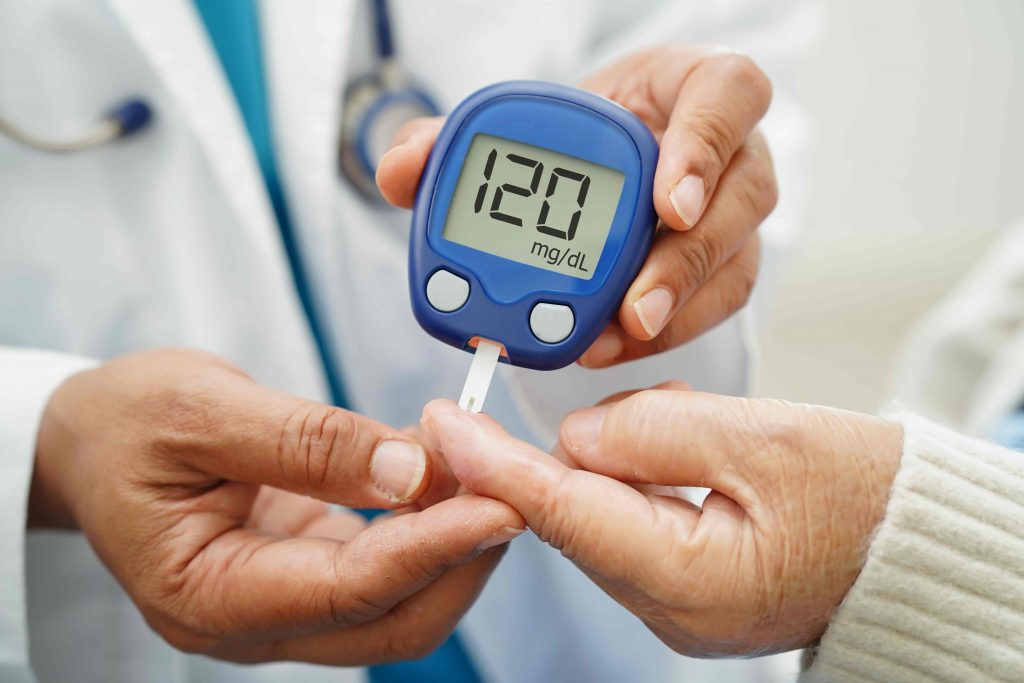
5. Monitor Blood Sugar More Frequently
Summer can make sugar levels unpredictable. Regular monitoring helps you:
- Detect spikes early
- Adjust diet or medication if needed
6. Take Extra Care of Your Feet
Sweating and heat increase the risk of infections.
- Keep feet clean and dry
- Wear breathable footwear
- Check for cuts or blisters daily
Managing diabetes in summer is less about restriction and more about awareness. Small habits like drinking enough water, eating wisely, and staying active can make a big difference in keeping your blood sugar stable.
When Should You Consult a Doctor?
Seek medical advice if:
- Your sugar levels remain consistently high
- You feel dizzy or weak frequently
- You experience signs of dehydration
At Pranaam Hospitals, our specialists help patients manage diabetes effectively through every season with personalized care and guidance. Summer doesn’t have to disrupt your diabetes control. With a little extra care and attention, you can enjoy the season while keeping your health in check.If you need expert guidance, Pranaam Hospitals is here to support you every step of the way.
Frequently Asked Questions
1 . Does hot weather directly increase blood sugar?
Ans: Not directly, but dehydration and lifestyle changes during summer can lead to higher levels.
2 . How much water should diabetics drink in summer?
Ans: Typically 2.5–3 liters daily, but it may vary based on individual health conditions.
3 . Can diabetics eat mangoes in summer?
Ans: Yes, but in moderation and under portion control.